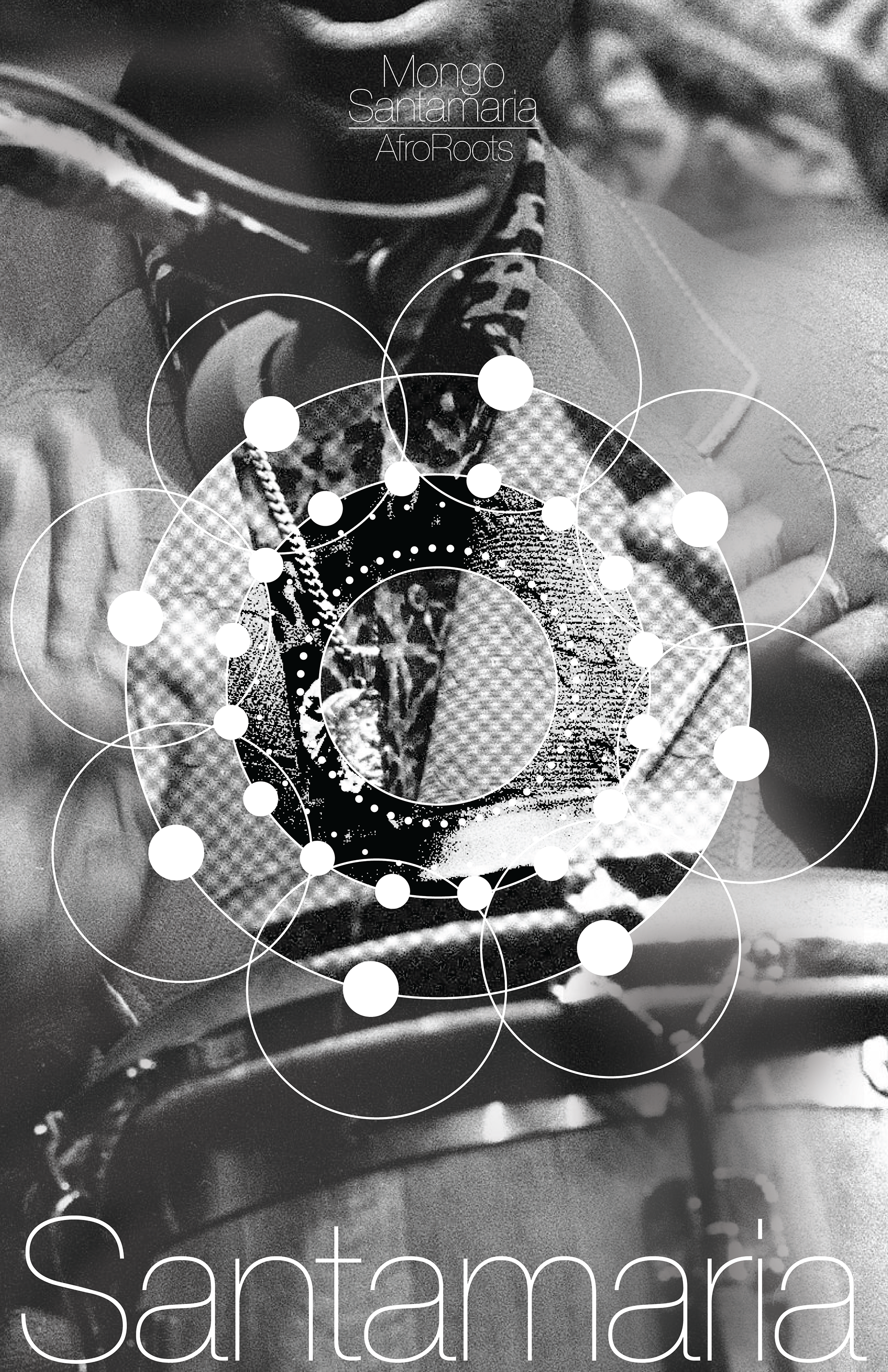
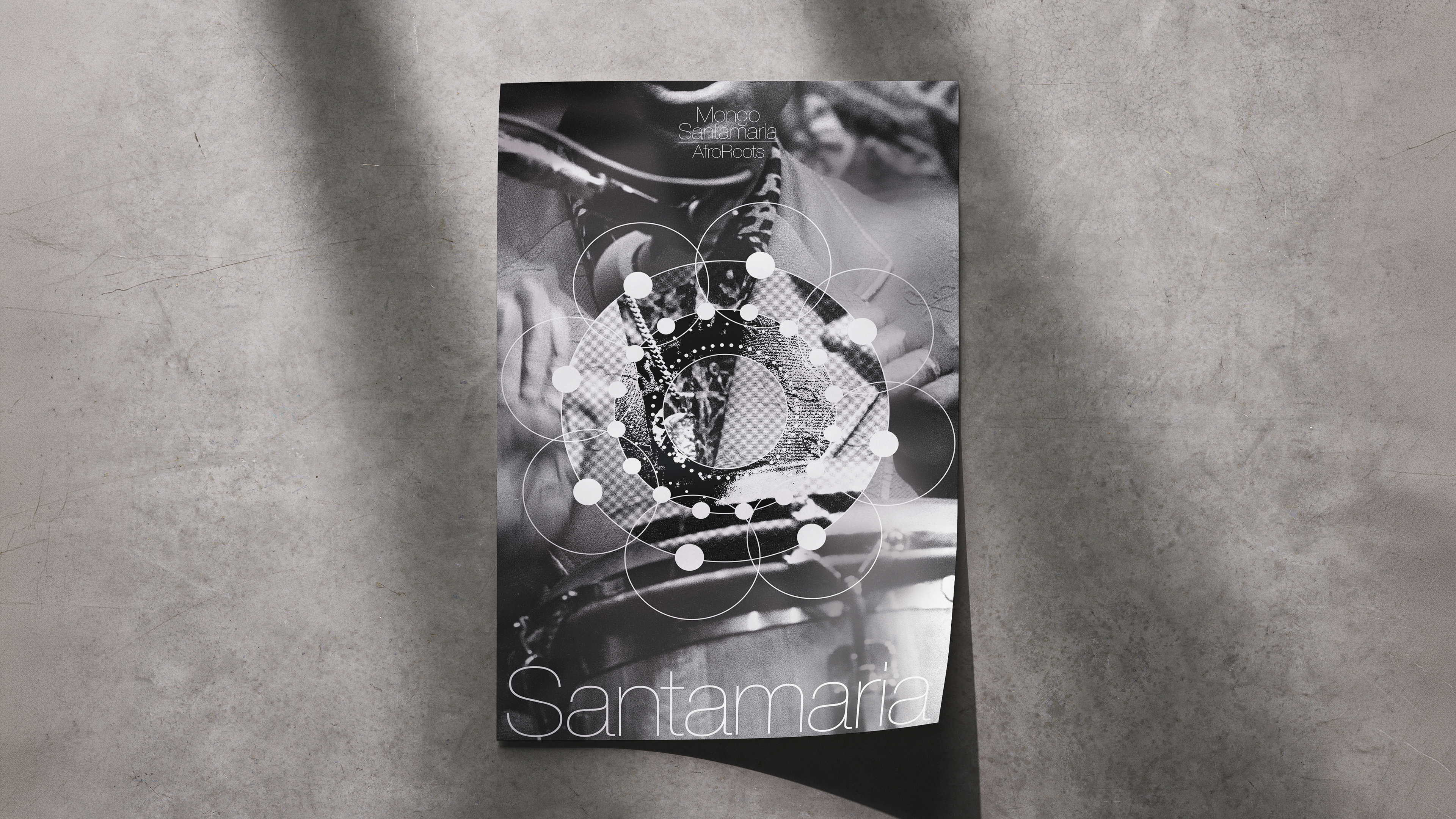
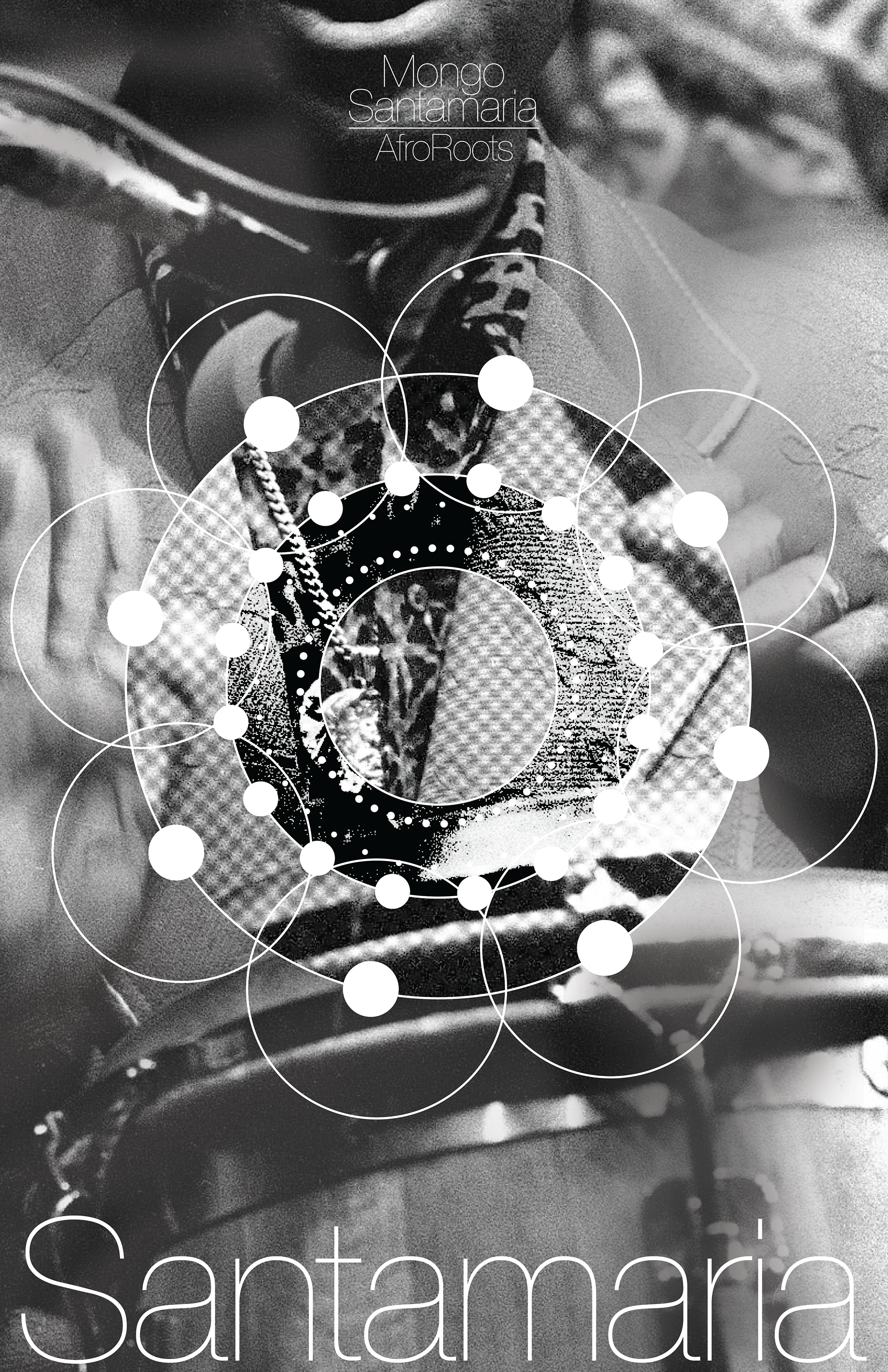
"Hands of Memory" translates the rhythmic architecture of Mongo Santamaría's "Afro Blue" into visual form. Born in Havana in 1917, Mongo Santamaría mastered conga drums and pioneered Afro-Cuban percussion in jazz, first recording "Afro Blue" in 1959 and transforming ceremonial rhythms dedicated to Obatalá into one of the top ten most important compositions in jazz history. Drawing inspiration from his "Afro Roots" album cover, the design explores themes of transculturation and cultural survival through geometric abstraction.
Repeating white nodes create visual ostinato, echoing the composition's cyclical foundation, a defining characteristic of African music's repetition and circular structures. Three layered rings of circles at different intervals visualize polyrhythms, the African practice of layering multiple independent rhythms simultaneously. Each ring operates as an independent rhythmic cycle, yet all converge when the rhythms align at the white nodes to create the tension and release of polyrhythmic music. The design follows Fernando Ortiz's concept of transculturation, where "Afro Blue" merges African polyrhythms, improvisation, and inseparable body movement with European harmonic progressions to function simultaneously as Yoruba ceremonial music, Cuban folkloric tradition, and American jazz innovation.
The piece demonstrates that transculturation is not cultural erasure but cultural transformation, generating new forms that honor ancestral roots while creating entirely new expressions. The geometric abstraction layered over organic human movement visualizes how contemporary design can engage with traditional knowledge without appropriating or freezing it in time.
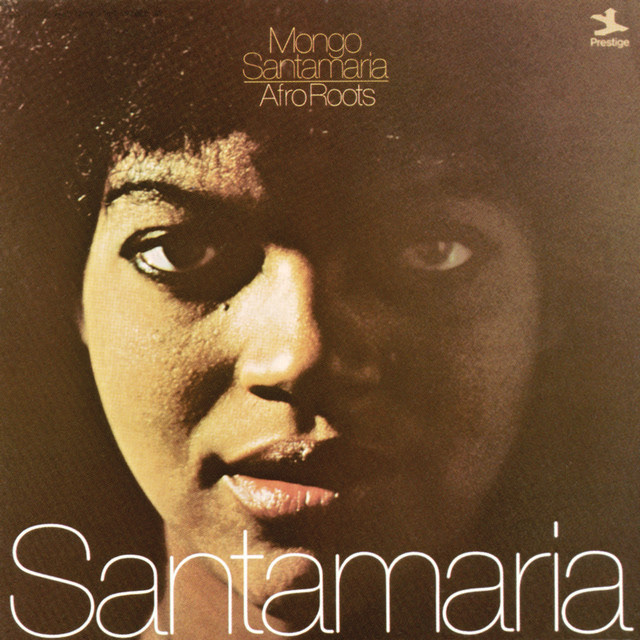
Original Cover Art
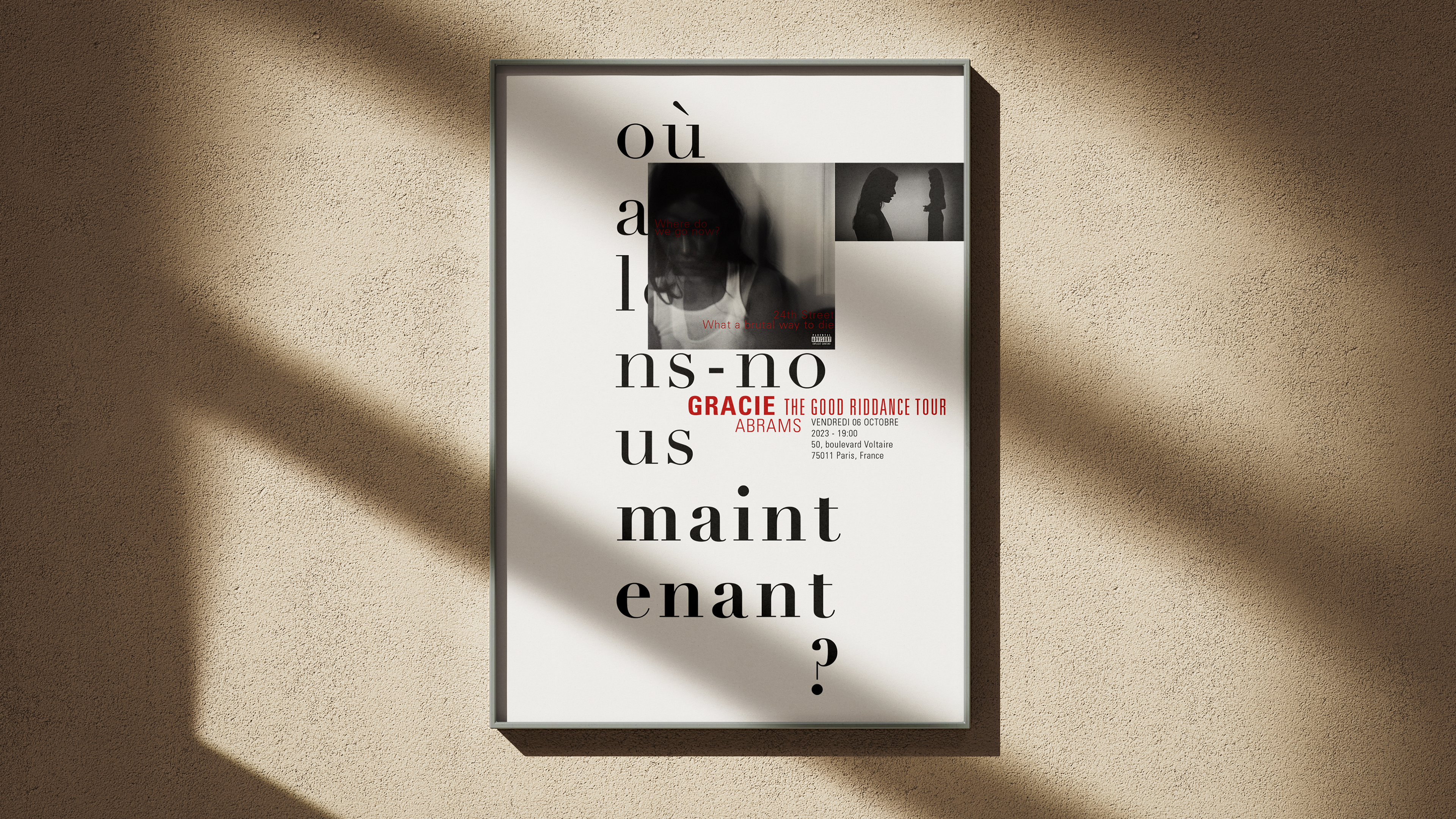
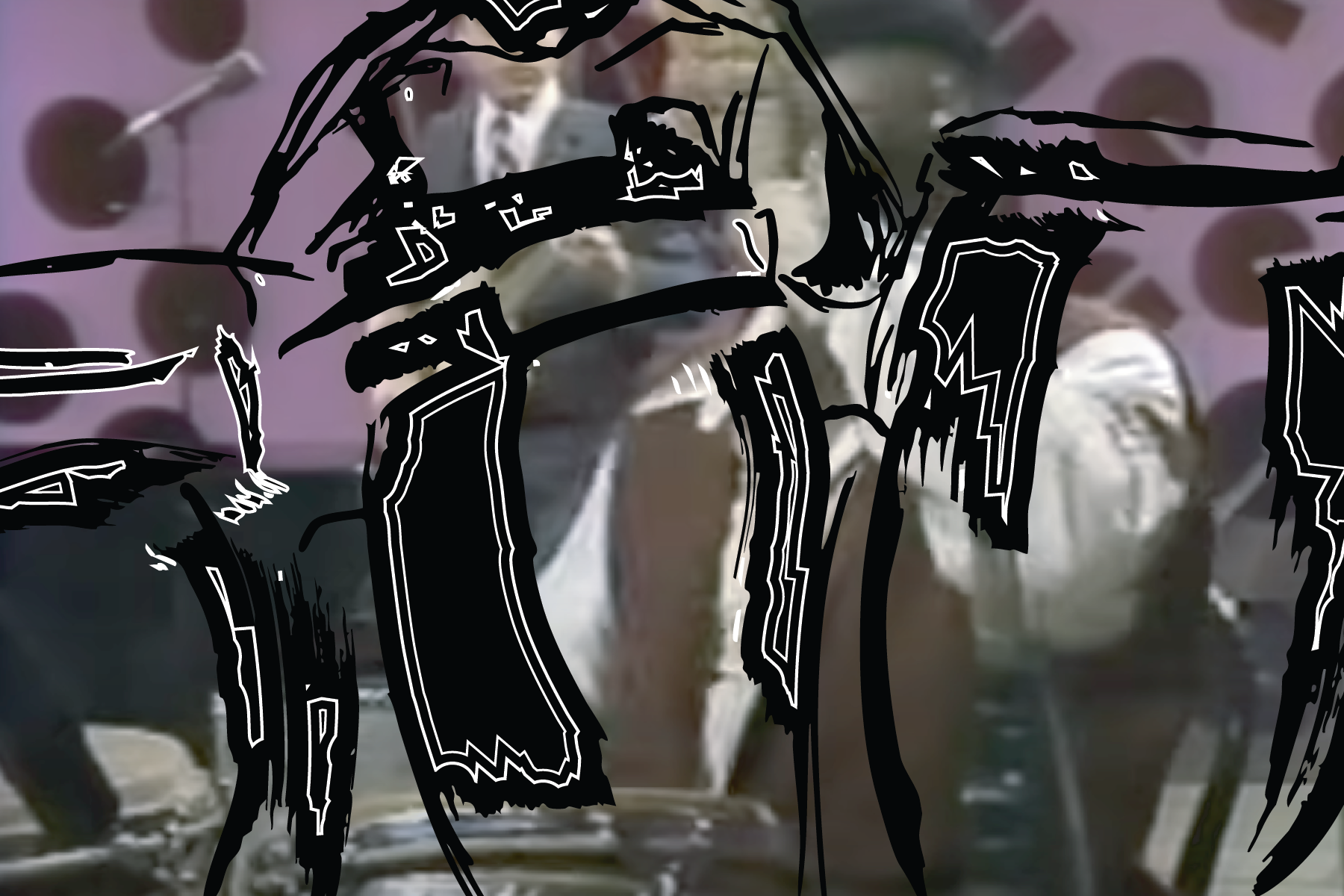
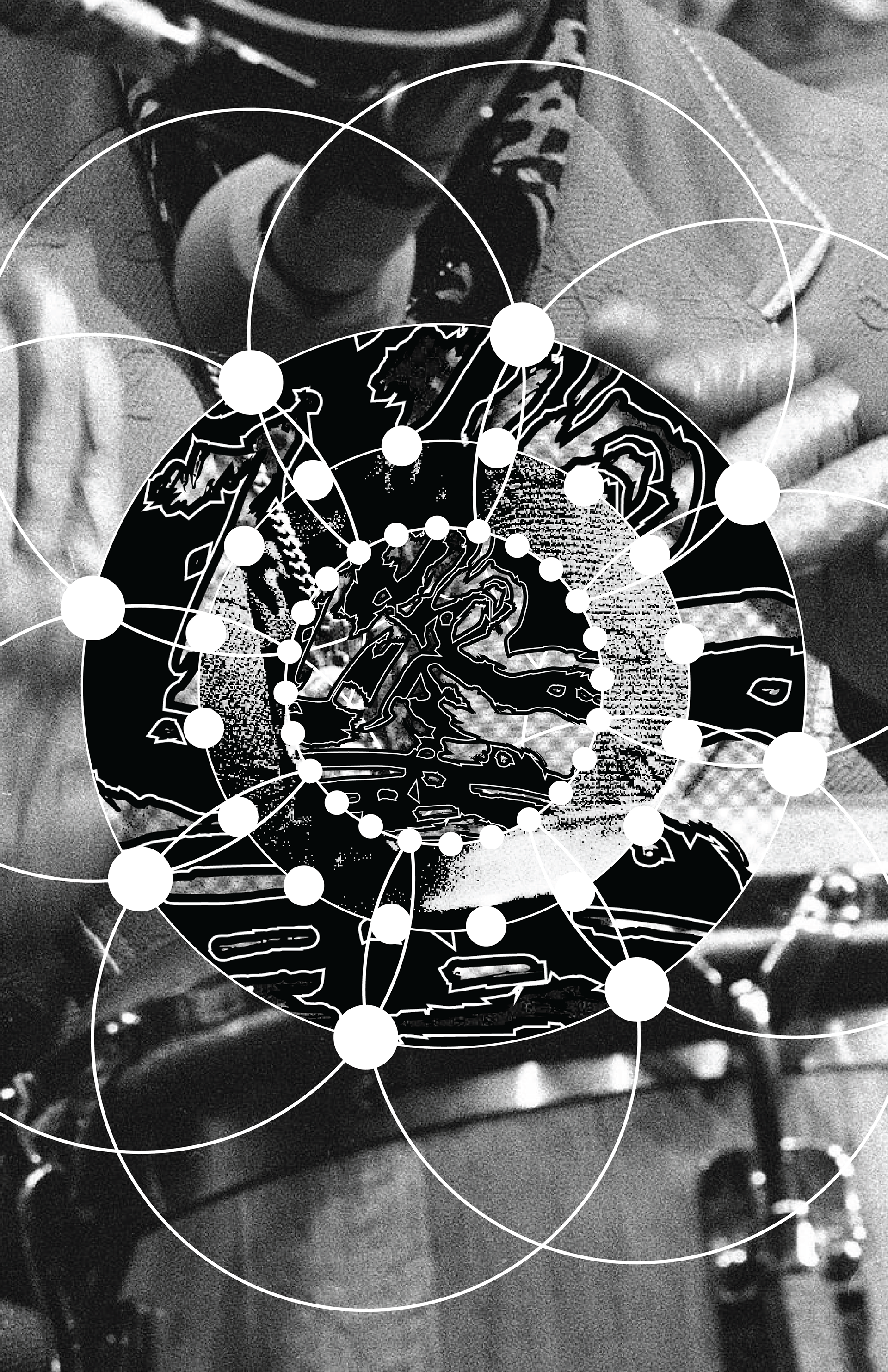
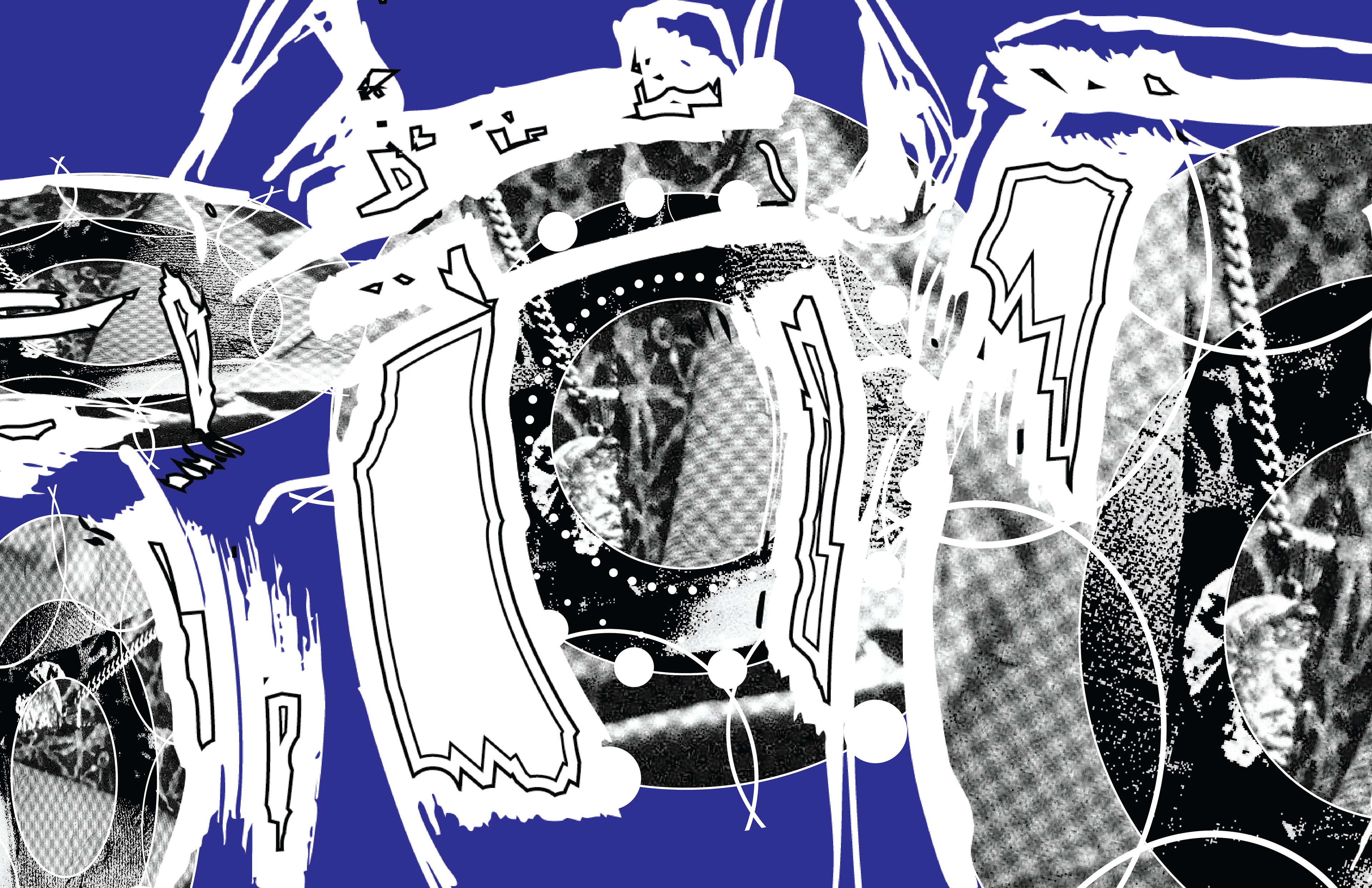
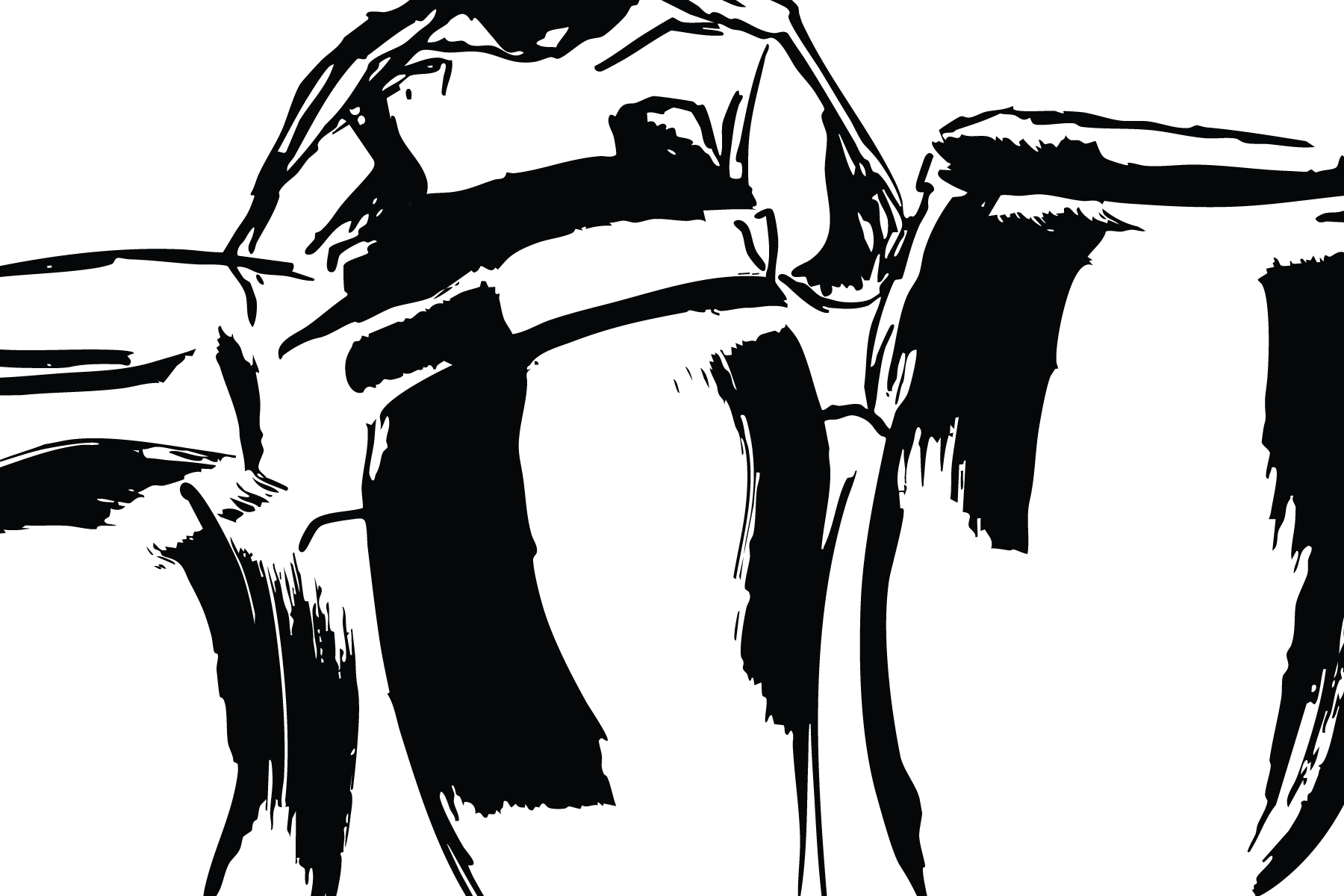
The design process began with hand-drawn sketches that were digitized and layered through multiple iterations.
The images below show the experimental designs that informed the final composition.
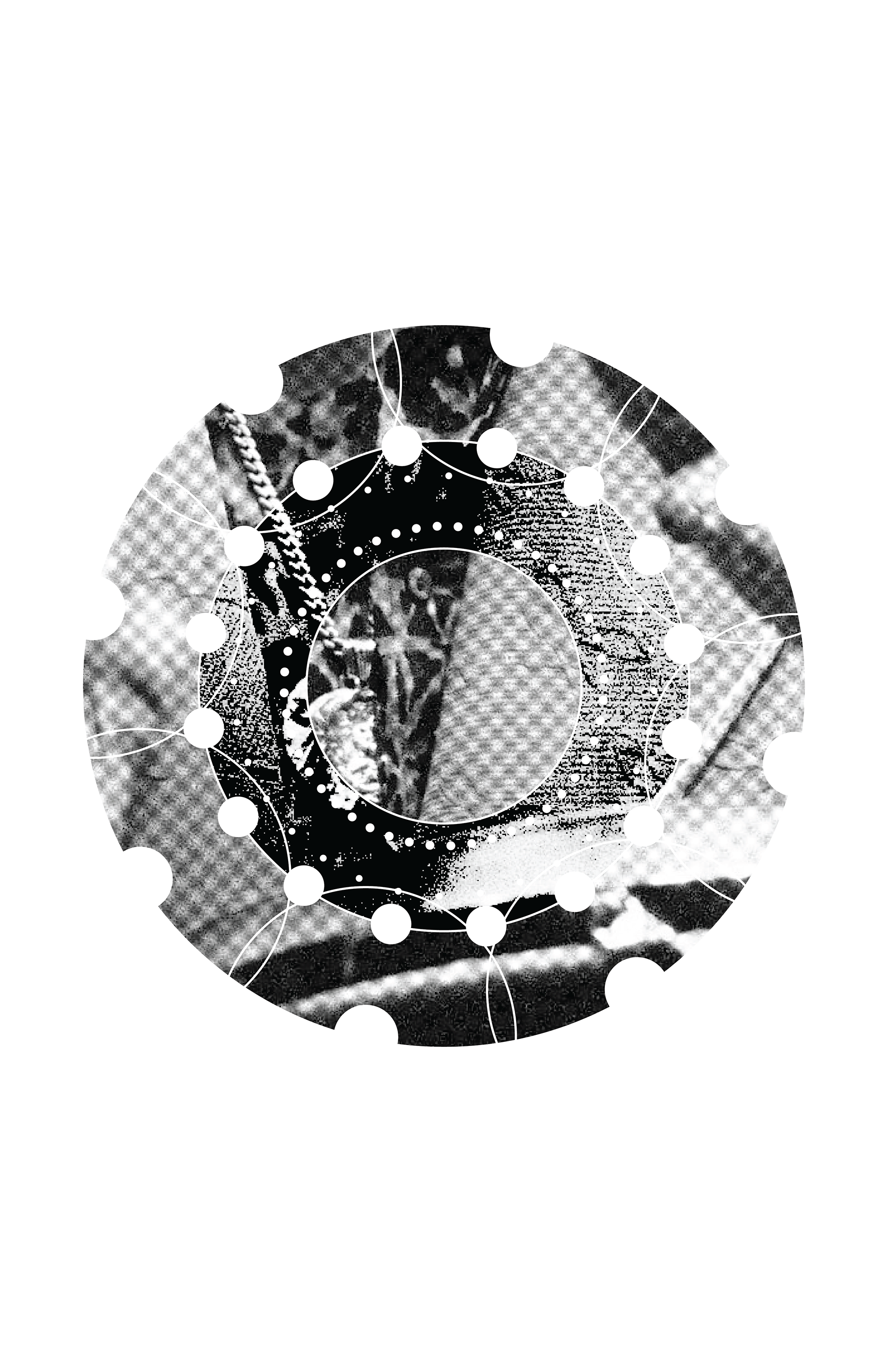



Design Choices: Contemporary Abstraction
The decision to use grayscale and create an abstract geometric design rather than literal cultural imagery reflects a deliberate choice to represent this music through emotion and structure rather than stereotype. Visual representations of Afro-Cuban music, jazz, and African diaspora culture too often rely on predictable imagery like palm trees, rum bottles, or posed musicians that suggest these cultural forms are static relics rather than living, evolving practices.
Mongo Santamaría changed how he played "Afro Blue" throughout the years, adapting and reimagining the composition in different contexts. Visual representations of this music must also evolve. The design focuses on the structural principles of the music, specifically ostinato, polyrhythms, and circular time, rather than cultural signifiers. This abstraction is itself an act of respect, refusing to reduce Yoruba spiritual practices, Afro-Cuban musical innovation, and jazz mastery to easily consumable visual stereotypes.
The hands and tilted drum remain the only representational elements, deliberately blurred to emphasize gesture over identity, practice over personality. This choice acknowledges that while we honor Mongo Santamaría's genius, the knowledge he channeled belongs to a much larger continuum of cultural transmission.